Featured
Table of Contents
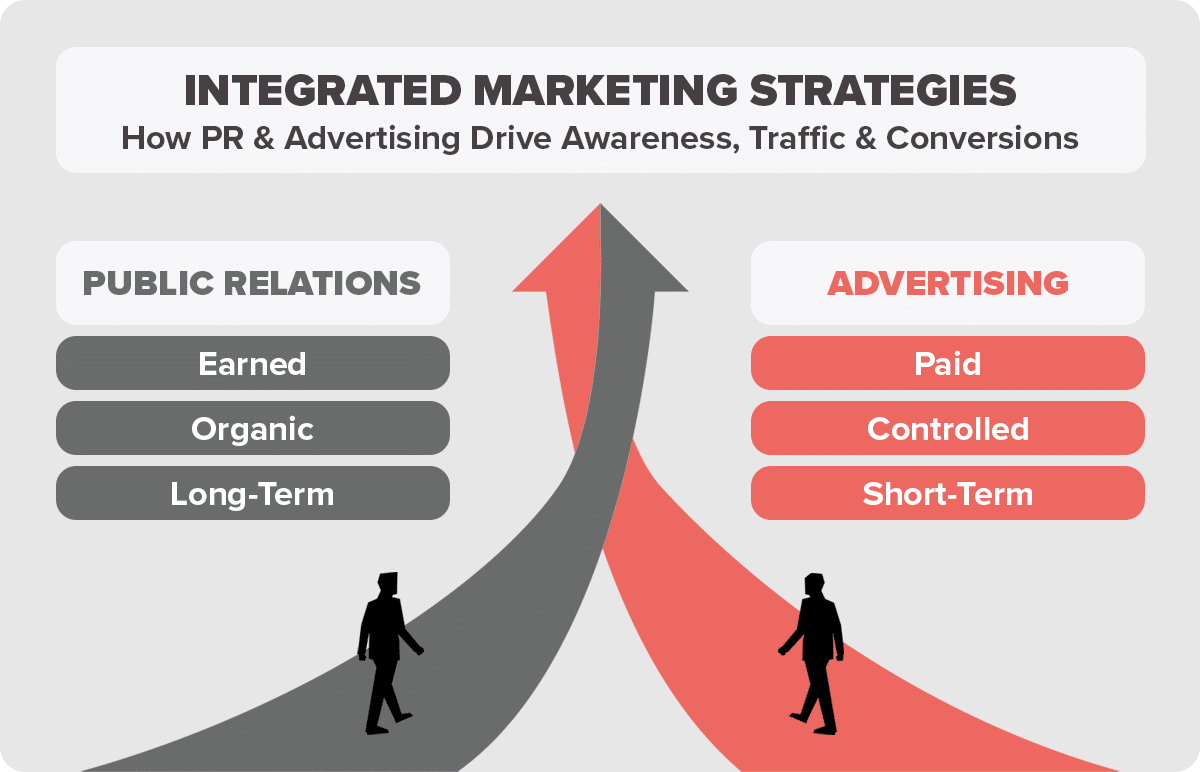
Not just can you broaden your brand name awareness projects, but you can increase the trustworthiness of your brand too. Here are a few of the other advantages of building and keeping strong media relations: A strong media relations method can benefit both press reporters and organisations who desire to publicise their communications to the world.
Third-party recognition for any stories you produce boosts your trustworthiness and therefore constructs trust with the general public. A strong media relations campaign will get your company published on a range of channels. If your organization appears on channels such radio or a popular website, for example, you can reach countless individuals.
The combination of awareness and reliability will create earned media opportunities that will drive lead generation. When made media opportunities are broadcast to consumers, it encourages story sharing and engagement. These are all tactics that can drive lead generation. To develop, construct and maintain beneficial relationships with the media, a media relations manager should provide a reliable strategy.
Here are some of the most efficient ways to build your media relations method: Pitching to the ideal media contact is a crucial part of obtaining press coverage. You'll require to understand which news outlets would be finest fit to the sort of story you're producing. For example, if you have a physical fitness product, you need to target a health editor, rather than a politics editor.
SEO Vs PPC: Navigating the Search Landscape
Costs as much time as possible looking into the right press reporter for your story will make your pitches more successful. A big part of reliable media relations is comprehending the sort of content a reporter produces and releases. A media list is likewise referred to as a press list. It's effectively a contact list including info about reporters who would have an interest in covering your news story.
These press reporters would generally discuss your location of know-how, niche or company industry. Research contact info, beats, titles and any stories that a particular press reporter might have released previously. This data will help to make sure you're getting the right media support for your target market. You'll take advantage of each pitch, and amass the ideal interest, each time.
It's important to discover relevant stories and occasions that are going to resonate with the reporters you're pitching to. Anything you have to say that's fresh, various, exciting and of advantage to your brand name will assist you acquire traction.
To develop and preserve media relations, you must believe in terms of media importance, not simply business significance. It would not always be interesting for the media.
Press releases and newsworthy interactions are sent out to reporters at a staggering rate by those vying for attention. Each reporter you compose to should be offered a distinct pitch that's customized to them. Journalists state that lack of personalisation is the number one reason an otherwise relevant pitch is declined.
PR Vs PPC: Navigating the Digital Landscape
With journalists getting more pitches than they can potentially read, it is essential to catch their attention from the beginning. When a journalist decides to publish your story, make sure you thank them. Putting in the time to develop a strong relationship with journalists will pay off very well in the long run.
Contact us to discover how we can produce an effective media method for your business.
You can turn around your situation by mastering media relations. A press or news page, often called a "Press Room" or "Media Center," is a dedicated section on your organization's site.
The Role of AEO in Modern Search
This page provides reporters, blog writers, and other media specialists simple access to your business's essential information. Creating this page and positioning it in an easy-to-spot location on your site lets media experts rapidly see your news release and other newsworthy material. That stated, here are some essential tips to consider before your press/news page goes live: Always upload news release in Word format (and never as PDFs) to make them easy for reporters to copy.
Doing so makes it easier for the media to cover your stories properly. Likewise, make it easy for reporters to request extra story resources. Include downloadable logo designs, videos, headshots, and other important images. Poor-resolution visual elements can sway journalists not to cover your organization. The possibility that your audience is on social networks is incredibly high.
This substantial percentage highlights the large reach of social networks platforms and underscores the importance of having a social networks presence. Social network lets you share news and updates to a much larger audience, increasing the possibilities of reporters seeing them. The viral potential of a well-crafted press release or media declaration on social media is rather high, which, again, increases the chances of coverage by the media.
If your brand name gets any media coverage, share it on social networks and other owned media to attract the attention of other media personalities. Picture your company is launching a new eco-friendly item to decrease household plastic waste. You want to get media coverage to build awareness and drive sales.
The release gets lost in the flood of other submissions, and no particular journalist is promoting for your story. The publication may not prioritize your news and might never get published. On the other hand, your competitor identifies a particular journalist who composes thoroughly about sustainability and environmentally friendly innovations for the same publication.
Is Your PR Team Prepared for AI?
They mention how their item addresses a space she has kept in mind in her coverage and use an unique interview with their CEO. Outcome? The reporter is interested by the targeted pitch and decides to cover your competitor's product due to the fact that it matters and resonates with her audience. This is exactly how pitching to reporters rather than publications works.
Getting ready for your pitch is critical to ensuring a favorable action and optimizing your opportunities of media protection. Identify and look into a particular journalist to understand their beat and audience. This will help you tailor your pitch to the journalist's interests, making it more pertinent and engaging. Craft a concise and clear message, highlighting the relevant aspects of your story and why it matters to their audience.
Rehearse your pitch to guarantee you can provide it with confidence and clearly, whether it's through email, phone, or in-person conferences. Consist of a contact that the press can reach if they have concerns. This contact needs to not be a bot but someone on your PR or marketing group who can respond to concerns immediately and factually.
They might experience malfunctions and not intensify reporters' queries on time, which is damaging throughout a crisis. On the other hand, real individuals have the individual touch bots lack. Therefore, they can easily build personal relationships with journalists and deal with sensitive details skillfully, increasing your brand name's trust and trustworthiness.

Latest Posts
Is Your Brand Team Ready for 2026?
How to Evaluate PR Success in 2025
Successful Media Relations Tactics to Gain Exposure